Nutritional Benefits of Vegetable Based Soups
Table of Contents
- What Makes Vegetable Based Soups So Nutrient-Dense?
- The Benefits of Bone Broth and Vegetable Soup Together
- Nutrient Retention in Vegetable Soups: Cooking Methods That Matter
- How Vegetable Soups Support Weight Management and Metabolic Health
- How to Incorporate Healthy Soups into a Busy Workday
- Sodium Management: Homemade vs. Store-Bought Vegetable Soups
- Seasonal Vegetable Pairing for Maximum Nutrient Synergy
- Conclusion: Making Vegetable Soups a Daily Habit
- Frequently Asked Questions
Last Updated: September 14, 2026
What Makes Vegetable Based Soups So Nutrient-Dense?
The nutritional benefits of vegetable based soups come down to one structural advantage: they deliver a high concentration of vitamins, minerals, fiber, and phytonutrients for very few calories. That combination, sometimes called nutrient density, is what separates a well-built soup from almost any other convenience meal. This guide from GO GO VITAL breaks down what the research on whole foods and plant-based nutrition actually supports, and how to get more of it into a normal week.
Nutrient density is the amount of beneficial nutrition a food provides relative to the calories it contains. A broth-based vegetable soup sits near the top of that scale because water and vegetables add volume and micronutrients without adding much energy.
Low Energy Density, High Nutrient Density
Low energy density means you get a large, filling portion for relatively few calories. Vegetables are roughly 80-95% water, so a bowl of soup can weigh a lot on the plate while staying light on calories. That matters for appetite control: volume and water content help you feel full, which is why soup often shows up in weight management discussions.
Hydration and Electrolytes in Every Bowl
Soup is also a hydration vehicle. A broth base contributes fluid, and vegetables carry potassium and other electrolytes that support normal fluid balance. For anyone who struggles to drink enough water during a workday, a warm bowl is an easy way to close part of that gap.
The Benefits of Bone Broth and Vegetable Soup Together
Combining bone broth with vegetables gives you two nutrition profiles in one bowl. The broth brings protein and minerals; the vegetables bring fiber, vitamins, and phytonutrients. Together they make a more complete meal than either alone, which is the core idea behind the benefits of bone broth and vegetable soup as a daily habit.
A common mistake is treating broth as a garnish. If the broth is thin and the vegetables are an afterthought, you get a light snack, not a meal. Build the bowl so both components carry weight.
- Broth base: provides protein and a savory foundation that makes vegetables taste better
- Vegetable mix: delivers dietary fiber, vitamin C, vitamin A, vitamin K, and folate
- Optional add-ins: beans, lentils, or whole grains for extra fiber and staying power
Nutrient Retention in Vegetable Soups: Cooking Methods That Matter
Most articles stop at "cooking affects nutrients." The useful version of that statement names which nutrients, which cooking methods, and what you can actually do about it. Nutrient retention in vegetable soups depends on three variables: the solubility of the vitamin, the temperature of the cooking liquid, and how long the vegetable stays in it.
Water-Soluble vs. Fat-Soluble: Two Different Problems
Water-soluble vitamins, vitamin C and the B-complex vitamins, including folate (B9) and thiamin (B1), dissolve into cooking liquid and are degraded by heat. Fat-soluble vitamins, A, D, E, and K, are more heat-stable but need dietary fat present for your body to absorb them efficiently. That distinction drives every practical decision below.
Boiling vs. Steaming vs. Pressure Cooking
- Boiling: The most destructive method for water-soluble vitamins. Vitamin C and folate leach into the water, and prolonged exposure to rolling heat accelerates degradation. The saving grace in soup is that the water becomes the broth, so leached nutrients stay in the bowl rather than going down the drain, unlike boiled vegetables served drained.
- Steaming: Gentler on vitamin C and folate because vegetables aren't submerged. Short steaming (roughly 5-7 minutes for most tender vegetables) preserves more of the heat-sensitive vitamins than boiling the same vegetable for the same time.
- Pressure cooking: Fast cook times mean less cumulative heat exposure, which can preserve more heat-sensitive vitamins than a long simmer. The trade-off is that you lose the staged-addition control you get with a stovetop pot.
- Simmering (the soup default): A gentle simmer, small bubbles, not a rolling boil, keeps water-soluble vitamins in the liquid while still softening cell walls enough to improve access to some nutrients.
Thermal Processing and Bioavailability
Heat does more than destroy nutrients; it also changes how accessible they are. Cooking softens plant cell walls, which can release nutrients that were physically locked in raw vegetables, lycopene in tomatoes and beta-carotene in carrots are the classic examples, and both become more bioavailable after cooking. So the goal isn't "cook less", it's "cook smart." A gentle simmer that softens vegetables without a hard, prolonged boil gets you the bioavailability benefit without the vitamin C penalty.
A Practical Sequencing Rule
Add vegetables in order of how much heat they can take:
- First: root vegetables, squash, and cruciferous vegetables (carrots, potatoes, winter squash, cabbage), they need time to soften.
- Middle: tomatoes, peppers, and green beans, moderate heat tolerance.
- Last: leafy greens, herbs, peas, and anything you want bright, 2-3 minutes at the end.
Don't Pour the Nutrients Away
One habit quietly undoes all of this: draining the cooking liquid. In soup, that liquid is the meal, so leached vitamins stay in the bowl. If you blanch or pre-cook vegetables separately before adding them, use that water as part of your broth base instead of discarding it.
Pair Fat With Fat-Soluble Vitamins
Because vitamins A, E, and K need fat to be absorbed, a fat-free vegetable soup is a less efficient delivery system for those nutrients. A modest amount of olive oil, a pat of butter, or full-fat coconut milk in the pot gives those vitamins something to travel with. This is the same principle behind pairing olive oil with a tomato-heavy soup, it's not just flavor, it's absorption.
How Vegetable Soups Support Weight Management and Metabolic Health
Soup supports weight management through satiety, the feeling of fullness that follows a meal. A broth-based soup eaten before or as a meal adds volume and fiber, which tends to reduce how much you eat afterward. That makes it a useful tool rather than a diet gimmick.
Satiety, Fiber, and Appetite Control
Dietary fiber slows digestion and adds bulk, both of which support appetite control. Most people fall short of recommended fiber intake, and a vegetable-heavy soup is one of the least painful ways to add it. Beans, lentils, and skin-on vegetables push the fiber content higher.
Blood Glucose Regulation and Glycemic Index
The glycemic index ranks foods by how quickly they raise blood glucose levels. Non-starchy vegetables sit low on that scale, so a vegetable-based soup produces a gentler blood sugar response than a refined-carbohydrate meal. Adding protein from broth or beans flattens the curve further, which supports metabolic health over the course of a day.
How to Incorporate Healthy Soups into a Busy Workday
The practical barrier is rarely knowledge; it is time. Learning how to incorporate healthy soups into a busy workday comes down to removing decisions. If the soup is already made and within reach, you eat it. If it requires chopping, you order something else.

A workable routine looks like this:
- Batch on one day. Make a large pot and portion it into containers for the week.
- Pack it hot. A quality thermos keeps soup warm from morning to lunch with no microwave.
- Pair it. Add a piece of whole-grain bread or a handful of beans so it holds you until dinner.
- Keep a backup. Shelf-stable or frozen options prevent the "nothing ready, grab a bar" spiral.
- Anchor it to a cue. Soup at the same time each day becomes automatic faster than you expect.
Sodium Management: Homemade vs. Store-Bought Vegetable Soups
Sodium is the one nutrient where a vegetable soup can go from health food to a problem in a single bowl. Canned and restaurant soups frequently deliver a large share of a day's sodium in one serving, and the Dietary Guidelines for Americans recommend keeping sodium under 2,300 mg per day for most adults. A single can of soup can account for a meaningful chunk of that. Homemade gives you control, but only if you know where the sodium is hiding and how to replace it.
Where the Sodium Actually Comes From
It's rarely the vegetables. The biggest contributors in soup are:
- Commercial broth and bouillon: the single largest source in most homemade soup. Regular canned or boxed broth can carry several hundred milligrams per cup.
- Canned beans and vegetables: often packed in salted liquid.
- Added table salt: the obvious one, and the easiest to dial back.
- Processed add-ins: cured meats, cheese, and some pasta or grain products.
Homemade vs. Store-Bought: What You're Actually Trading
| Soup Type | Sodium Control | Nutrient Retention | Time Cost |
|---|---|---|---|
| Homemade from scratch | Full control | High, liquid stays in bowl | High |
| Fresh-prepared delivery | Set by maker | High, prepared to order | Low |
| Canned or shelf-stable | Low, often high sodium | Moderate, long storage | Minimal |
The pattern is consistent: the more control you have over the pot, the more control you have over the salt. Store-bought convenience trades sodium control for time.
How to Flavor Soup Without Salt
The practical fix isn't bland soup, it's building flavor from sources that don't add sodium:
- Aromatics first: onion, garlic, celery, and carrot sautéed at the start build a savory base.
- Acid: a squeeze of lemon or a splash of vinegar brightens a soup and reduces the perception of needing salt.
- Herbs and spices: black pepper, cumin, smoked paprika, thyme, and bay leaf add depth without sodium.
- Umami sources: mushrooms, tomato paste, and a small amount of soy sauce or miso (used sparingly, since both contain sodium) deliver savory notes.
- Salt last, taste as you go: add salt at the end rather than the beginning. Most people find they need far less than a recipe calls for once the vegetables have cooked down and the flavors have concentrated.
If You Buy Prepared Soup
Compare sodium per serving across options, labels make this straightforward, and the range between brands is wide. Look for lower-sodium or no-salt-added versions of broth and canned goods when you cook, and rinse canned beans before adding them to cut surface sodium.
Sodium control is a flavor-building problem, not a sacrifice. Layer aromatics, acid, herbs, and umami first, then add salt last, you'll usually need less than you expect.
Seasonal Vegetable Pairing for Maximum Nutrient Synergy
Pairing vegetables by season does two things: it improves flavor, and it stacks complementary nutrients. Nutrient synergy means certain nutrients work better together, and fat-soluble vitamins need some fat present to be absorbed well. A drizzle of olive oil in a tomato-heavy soup is not just for taste.
- Winter: root vegetables, kale, and squash for vitamin A and fiber
- Spring: peas, asparagus, and spinach for folate and vitamin K
- Summer: tomatoes, peppers, and zucchini for vitamin C and antioxidants
- Fall: pumpkin, carrots, and leeks for beta-carotene and warmth
Rotating with the seasons also widens your antioxidant intake across the year, since different pigments, or phytonutrients, cluster in different colored vegetables. Eating across the color spectrum is a simple way to cover more ground.
Conclusion: Making Vegetable Soups a Daily Habit
The hardest part of eating well is not knowing what to eat; it is having it ready when you are hungry and busy. A vegetable-based soup solves that problem because it is nutrient-dense, hydrating, high in fiber, and genuinely satisfying.
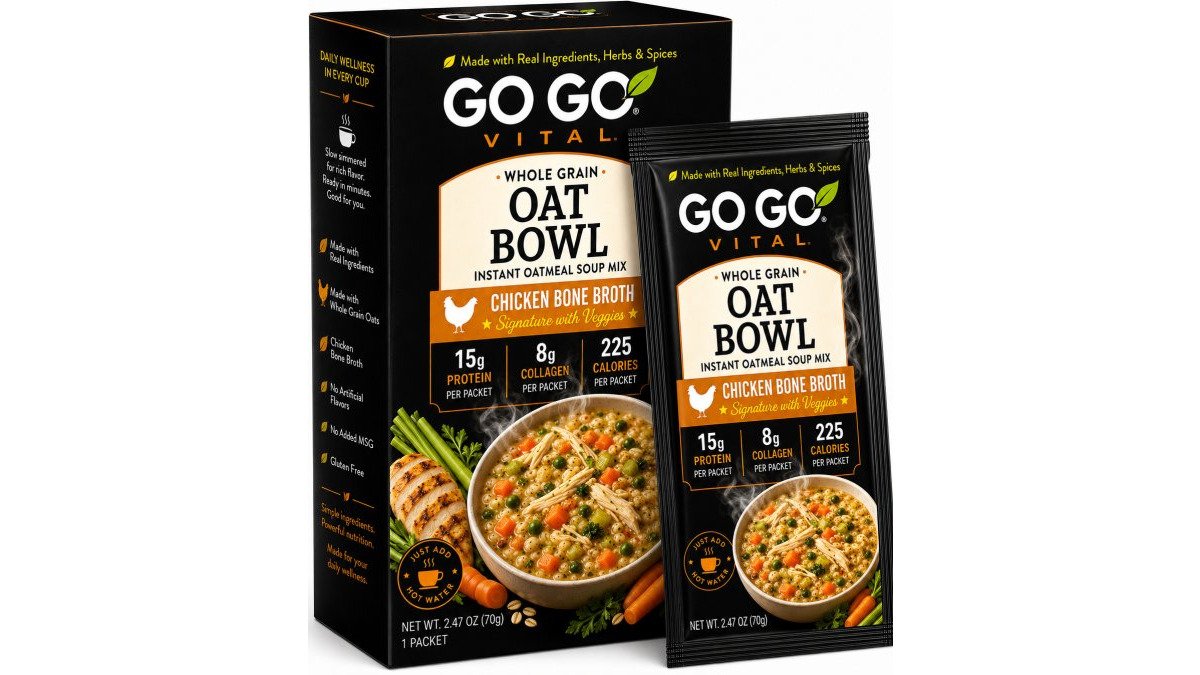
That is exactly the gap GO GO VITAL was built to close. Our signature Bone Broth & Veggie Soup is prepared fresh for your order and carefully packed to ensure quality and freshness, so a daily wellness habit takes seconds instead of an evening. For gyms, salons, and offices, it also opens a new revenue stream by putting a premium wellness option directly in front of your clients and staff.
Order yours today and make the easiest healthy habit of your week a bowl you actually look forward to.
Frequently Asked Questions
Does cooking vegetables in soup destroy their nutrients?
Cooking does reduce some heat-sensitive vitamins like vitamin C, but it also increases the bioavailability of fat-soluble vitamins A, E, and K, plus lycopene and other phytonutrients. Since many nutrients leach into the broth, you keep more of them when you eat the soup rather than draining the liquid. Shorter cooking times and adding vegetables later in the process help preserve heat-sensitive micronutrients.
Are vegetable-based soups good for weight loss?
Broth-based vegetable soups have low energy density, meaning you get a large, filling portion for relatively few calories. The dietary fiber from vegetables slows digestion and supports satiety, which can reduce overall calorie intake. Research on soup consumption consistently shows that starting a meal with broth-based soup leads to eating less at that meal. Cream-based or high-sodium versions work against these benefits.
What are the health benefits of eating soup daily?
A daily bowl of vegetable soup supports hydration, delivers a wide range of micronutrients including vitamin C, vitamin K, vitamin A, and folate, and provides dietary fiber for digestive health. The antioxidants in vegetables help protect cells from damage, and regular soup consumption fits into a pattern of whole foods, plant-based nutrition. Making it a consistent habit is what moves the needle for immune support and metabolic health.
How does bone broth enhance the nutritional profile of vegetable soup?
Bone broth adds protein and electrolytes to a vegetable base, making the soup more satiating and supporting hydration at the cellular level. It also contributes minerals and amino acids that complement the vitamins and phytonutrients from vegetables. The combination creates a more complete meal that fits easily into a daily wellness routine, especially for people who need something quick and nourishing.
Is homemade vegetable soup healthier than canned options?
Homemade soup gives you control over sodium content, ingredient quality, and cooking time, which directly affects nutrient retention. Canned soups often contain high sodium levels and may have lower vitamin content due to extended thermal processing. If you buy prepared soup, look for low-sodium options and check that vegetables are listed early in the ingredients. Fresh-prepared soups from a trusted source can bridge the gap when you do not have time to cook.
How can vegetable soups support a professional wellness routine?
Vegetable soups fit into a busy workday because they are portable, quick to reheat, and deliver balanced nutrition in one bowl. For gyms, salons, and offices, offering a fresh, nutrient-dense soup gives clients and staff a convenient option that supports energy and focus without a heavy meal. A consistent daily habit is easier when the food is ready to go and tastes like actual food rather than a supplement.
What vegetables should I pair together for maximum nutrient synergy?
Pair fat-soluble vitamins with a healthy fat: add carrots or sweet potatoes (vitamin A) with a drizzle of olive oil. Combine vitamin C-rich vegetables like tomatoes and bell peppers with iron sources to improve absorption. Seasonal pairings, such as winter squash with kale or summer zucchini with tomatoes, naturally deliver complementary micronutrients. Variety across the week matters more than any single combination.