Best Kettle and Fire Alternatives for 2026
Table of Contents
- Why Shoppers Are Seeking Kettle and Fire Alternatives in 2026
- Quick Comparison: Top Bone Broth Picks at a Glance
- 1. GO GO VITAL: Best Fresh Bone Broth Delivery Service for Daily Wellness
- 2. FOND Bone Broth: Gourmet Flavor in Glass Packaging
- 3. Bare Bones Broth: High-Protein, Shelf-Stable Convenience
- 4. Zoup! Good, Really Good Bone Broth: Affordable and Accessible
- Shelf-Stable vs Fresh Bone Broth: Which Fits Your Routine?
- Benefits of Daily Bone Broth Consumption: What You Gain
- Frequently Asked Questions
Last Updated: September 20, 2026
Why Shoppers Are Seeking Kettle and Fire Alternatives in 2026
The best Kettle and Fire alternatives in 2026 are fresh, small-batch bone broths that skip long shelf storage for real ingredients and honest sourcing. This guide from GO GO VITAL compares fresh versus shelf-stable formats and explains what daily bone broth consumption does for you.
Quick Comparison: Top Bone Broth Picks at a Glance
| Brand | Format | Best For | Standout Feature |
|---|---|---|---|
| GO GO VITAL | Fresh, shipped | Daily wellness routines | Bone Broth & Veggie Soup, prepared fresh |
| FOND Bone Broth | Glass jar, refrigerated | Gourmet flavor seekers | Slow-simmered 18+ hours, herb infusions |
| Bare Bones Broth | Shelf-stable | High-protein diets | Up to 10g protein per serving |
| Zoup! Good, Really Good | Carton, grocery | Everyday cooking | Low-sodium options, wide availability |
1. GO GO VITAL: Best Fresh Bone Broth Delivery Service for Daily Wellness
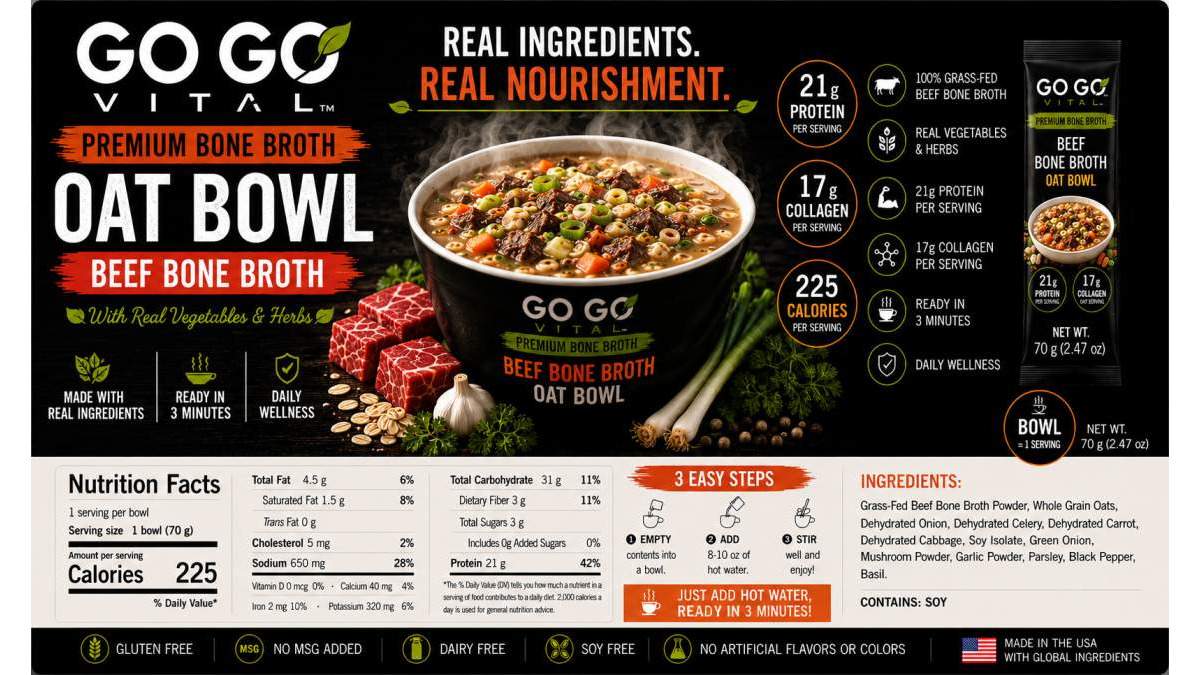
GO GO VITAL offers a convenient and nourishing daily wellness solution. Every order of the signature Bone Broth & Veggie Soup is prepared fresh and packed to preserve quality from our kitchen to your door.
Fresh Preparation and Nutrient Retention
Fresh preparation means the broth reaches you close to how it was made. That matters for flavor complexity and mouthfeel.
B2B Opportunities for Wellness Businesses
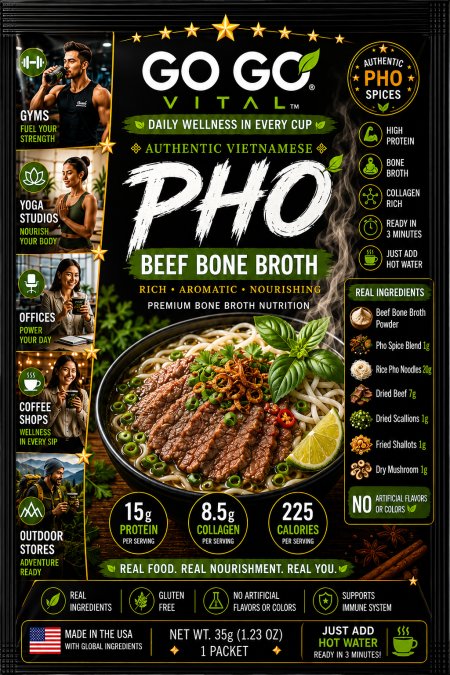
Gyms, yoga studios, salons, and offices can offer GO GO VITAL as a ready-made wellness add-on, giving members and clients something nourishing without building a food program from scratch.
2. FOND Bone Broth: Gourmet Flavor in Glass Packaging
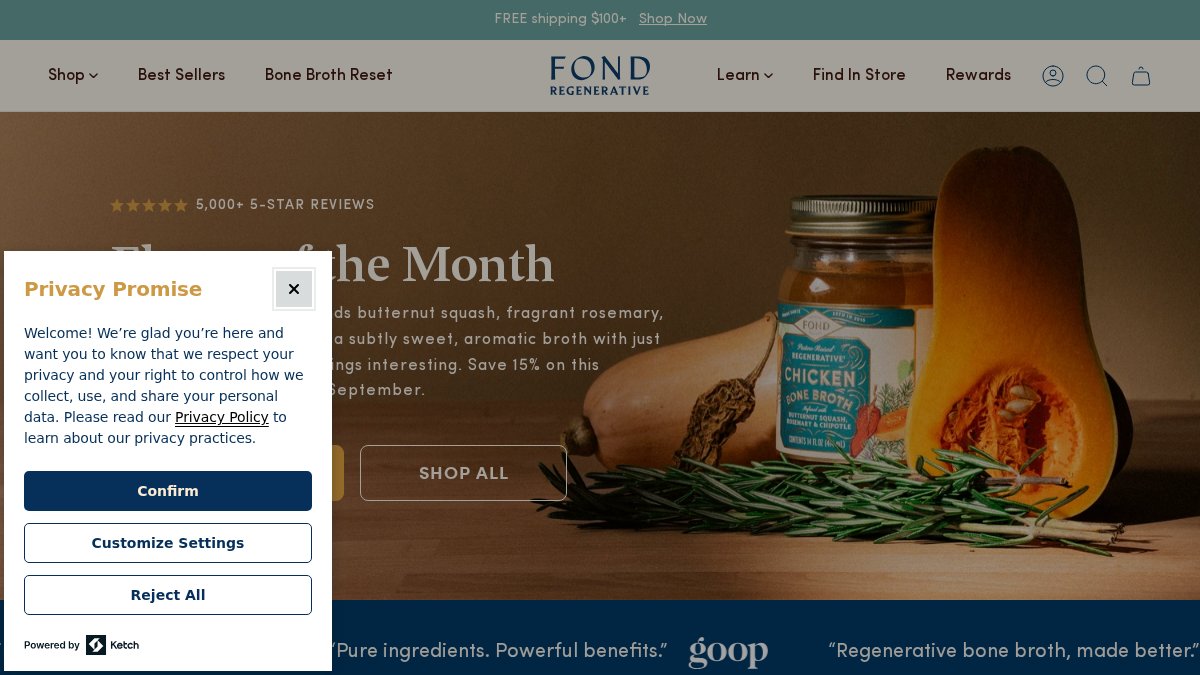
FOND targets the drinker who treats broth like a craft product. It slow-simmers for 18 or more hours, uses organic pasture-raised chicken and grass-fed beef, and infuses everything with organic herbs and aromatics.
3. Bare Bones Broth: High-Protein, Shelf-Stable Convenience
Bare Bones built its reputation on protein numbers, delivering up to 10 grams per serving from certified organic, grass-fed beef bones and pasture-raised chicken.
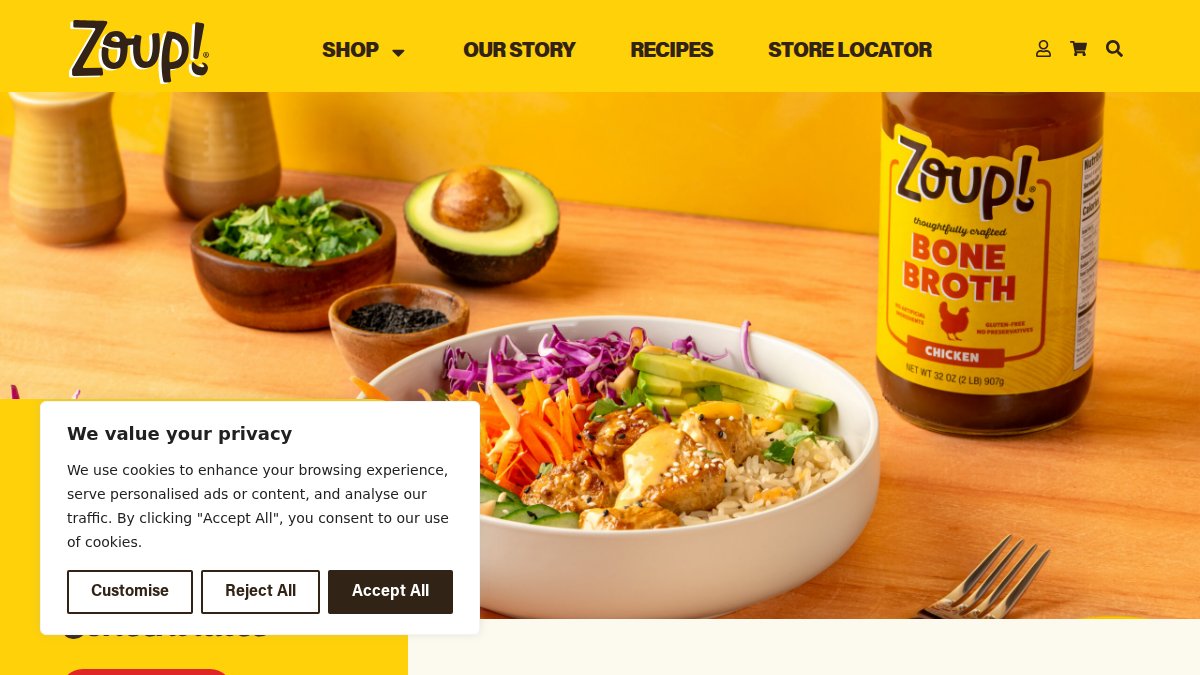
4. Zoup! Good, Really Good Bone Broth: Affordable and Accessible
Zoup! wins on availability: major grocery retailers, no subscription, no shipping wait, no commitment. Cartons start around $6.99.
Shelf-Stable vs Fresh Bone Broth: Which Fits Your Routine?
Fresh bone broth is refrigerated and shipped close to production; shelf-stable broth sits in a pantry for months. The right choice depends on how you'll actually use it, not which sounds healthier, and gets clearer once you run three numbers: cost per ounce, cost per gram of protein, and how many servings you'll realistically finish before the container turns.
Convenience and Storage Trade-Offs
Shelf-stable cartons win on logistics. They ship cheaply, store anywhere, and never surprise you with a spoiled container. Aseptic cartons are typically dated 12 to 24 months out, so a case bought on sale can sit in a closet without risk.
- Choose shelf-stable if: you travel often, have limited fridge space, or buy broth sporadically
- Choose fresh if: you drink broth daily and want the best flavor and texture
- Choose both if: you cook with broth regularly but also want a sipping option
The Price-Per-Ounce Math Most Guides Skip
Retail prices are useless for comparison because package sizes vary so widely: a $6.99 carton and a $111 multi-pack can land in the same cost-per-ounce range, or be 4x apart. Here's the framework:
- Find the total fluid ounces on the label. Cartons usually list this near the nutrition panel; fresh jars and pouches list it on the side.
- Divide the price by total ounces. That's your cost per fluid ounce.
- Divide by grams of protein per serving, then multiply by servings per container. That's your cost per gram of protein, the number that actually matters if you're drinking broth for protein rather than flavor.
- Adjust for waste. If you toss a third of a fresh order, your real cost per ounce is 50% higher than the sticker math suggests.
Dietary Filtering: Keto, Paleo, Whole30, and Low-FODMAP
Most buying guides rank by taste and stop there. If you're filtering by a specific eating pattern, the label tells you more than the marketing copy:
- Keto and Paleo: Look for no added sugars, no starches, and no grain-based thickeners. Plain beef and chicken broths from grass-fed and pasture-raised sources generally fit. Flavored varieties are where hidden sweeteners and starches show up.
- Whole30: The program's rules exclude added sugar, carrageenan, and most additives, so a short ingredient list is your friend. Broths that list only bones, water, vegetables, and salt are the safest bet.
- Low-FODMAP: Garlic and onion are the two most common offenders, and they appear in many herb-infused and "savory" varieties. Plain, unsweetened broths are typically the safer starting point; check the ingredient panel every time, because recipes change.
Nutritional Differences That Matter
Both formats deliver amino acids, collagen, and minerals from slow-simmered connective tissue; the difference is processing intensity and ingredient transparency.
Benefits of Daily Bone Broth Consumption: What You Gain
Daily bone broth consumption supports hydration, protein intake, and a consistent wellness routine, especially when it replaces a less nutritious snack or skipped meal. The benefits come from repetition, not any single cup, and most guides skip the mechanism behind each benefit and the packaging trade-offs of drinking it daily.
Here's what regular drinkers tend to notice, and why:
- Steadier protein intake. Broth adds protein without a heavy meal, which helps between meetings or after workouts. The mechanism is simple: collagen-rich broth delivers protein in liquid form, so it's easy to absorb without the fullness of a solid meal.
- Gut health support. Collagen and amino acids like glycine and glutamine are the components most often linked to digestive comfort. Glycine and glutamine are the two amino acids most studied in this context, though the research is still developing.
- Inflammation support. Many people use broth as part of an anti-inflammatory eating pattern alongside other whole foods.
- A habit anchor. A warm cup at the same time each day can be easier to maintain than some wellness routines.
Matching the Format to Your Dietary Pattern
For dietary-specific shoppers, format matters as much as brand. Keto, Paleo, and Whole30 followers do well with plain, unsweetened broths from grass-fed and pasture-raised sources. Low-FODMAP eaters should check for added garlic and onion, common in flavored and herb-infused varieties. If you drink broth daily for gut support, plain is often the safer daily default, with flavored options for occasional sipping.
Sustainability and Packaging: The Trade-Off Nobody Prices In
Packaging is the hidden variable in any daily broth habit, and almost no buying guide addresses it. The three common formats carry very different footprints:
- Aseptic cartons are lightweight and ship efficiently, which lowers transport emissions per ounce. The catch is that cartons are multi-material, paper, plastic, and foil laminated together, and curbside recycling accepts them in only some communities. Check your local program before assuming the carton goes in the bin.
- Glass jars are infinitely recyclable and avoid plastic contact with the broth, which is why premium brands favor them. The trade-off is weight: glass is heavy, so shipping emissions per ounce run higher than cartons, and a jar that isn't recycled carries a larger footprint than a carton that is.
- Fresh pouches and delivery boxes often combine plastic film with insulated liners and gel packs. The broth may be the freshest option, but the packaging stream is the most complex to recycle.
Price-Per-Ounce Is the Other Number Worth Calculating
Cartons look cheap per unit but often cost more per ounce of protein than a fresh subscription. Run the math on total fluid ounces and grams of protein per serving before committing, the cheapest sticker price and the cheapest daily habit are frequently not the same product.
Frequently Asked Questions
What makes fresh bone broth different from shelf-stable options?
Fresh bone broth is prepared and shipped shortly after cooking. Shelf-stable versions are heated to high temperatures for a longer pantry life, which can reduce some heat-sensitive compounds. However, shelf-stable cartons are convenient for travel or emergency meals. For daily wellness, fresh broth from a service like GO GO VITAL supports a consistent habit with superior freshness.
Is it OK to drink bone broth every day?
Yes, many people enjoy bone broth daily as part of a balanced diet. It provides collagen, amino acids, and minerals that support gut health and joint comfort. The key is moderation and variety. A cup or two per day is common. If you have specific health conditions or follow a low-sodium diet, check the sodium content on the label. Fresh options like GO GO VITAL's Bone Broth & Veggie Soup offer a convenient way to make daily consumption a simple habit without added preservatives.
What should I look for in a high-quality bone broth?
Start with sourcing: grass-fed, pasture-raised bones and organic ingredients signal better quality. Check the protein content per serving. Avoid added preservatives, yeast extract, and artificial flavors. If you prefer fresh, choose a service that prepares to order and ships with cold packaging. Shelf-stable options should be non-GMO and free from unnecessary additives.
Are there plastic-free bone broth packaging options?
Yes, some brands package bone broth in glass jars to avoid plastic leaching and reduce waste. Glass is recyclable and keeps the broth pure. However, glass is heavier and may cost more to ship. If sustainability matters to you, look for brands that use glass or recyclable cartons. Fresh delivery services often use insulated liners and gel packs, which may be recyclable depending on your local facilities. Always check the packaging details before ordering.
How does the price per ounce compare between fresh and shelf-stable bone broth?
Shelf-stable bone broth typically costs less per ounce because it has a longer shelf life and lower shipping costs. Fresh bone broth usually costs more per ounce due to cold-chain shipping and shorter shelf life. When comparing, factor in the protein content and whether you'll actually consume it before it expires. For daily drinkers, a subscription to a fresh service can be cost-effective if it prevents waste and replaces other snacks or meals.
Finding a bone broth you'll actually finish is harder than finding one that sounds healthy. GO GO VITAL makes that decision easier with a Bone Broth & Veggie Soup prepared fresh for every order, carefully packed to protect quality, and designed as the simplest daily wellness habit you'll keep. For gyms, salons, and offices, it also opens a new revenue stream without added operational burden. Order yours today and give your routine something worth repeating.